
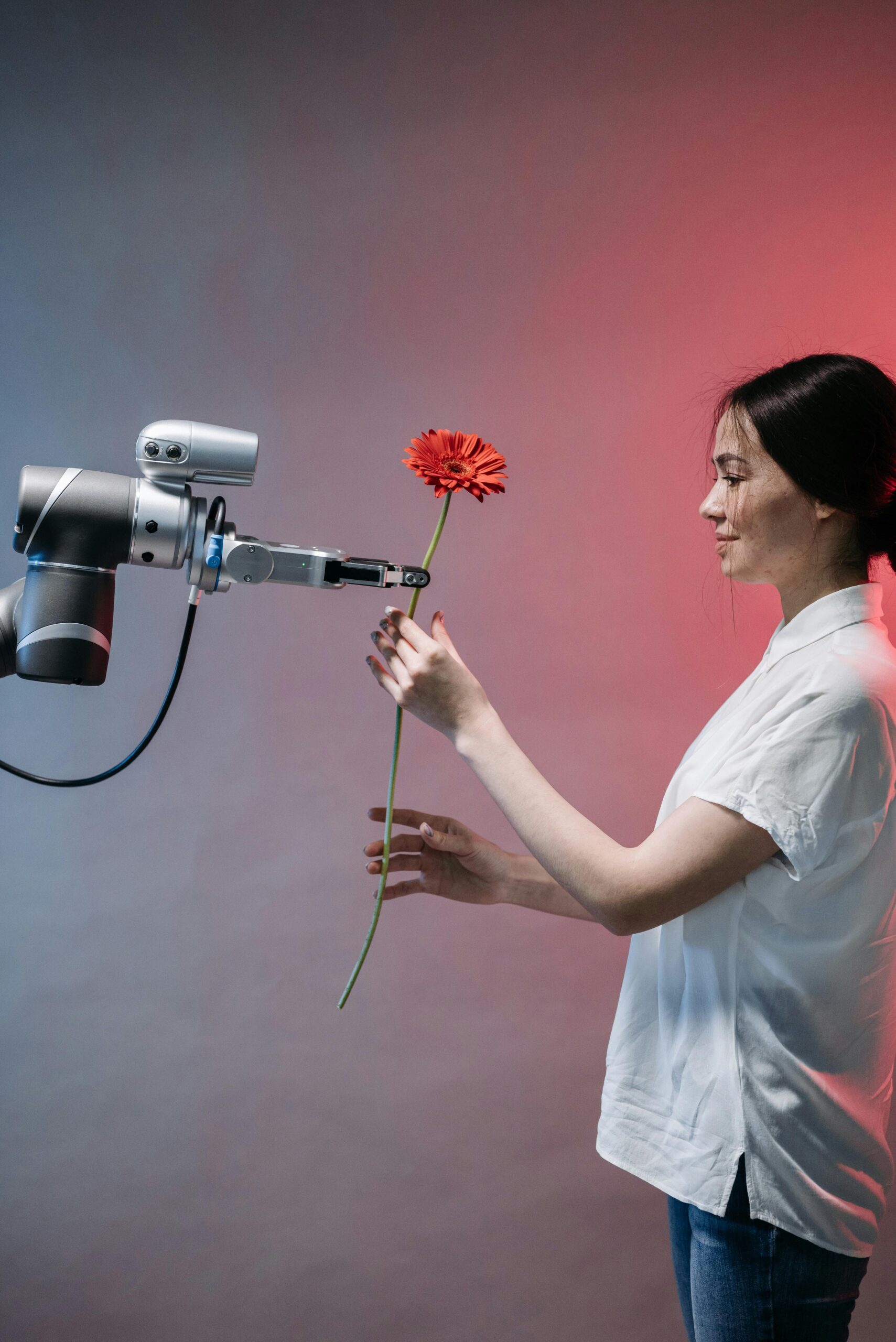
Beyond the Screen: How AI and Automation Are Quietly Redefining Human Potential
For decades, technology was seen as something separate from humanity — a tool, a helper, a machine that made tasks easier but rarely touched the soul of who we are. Fast-forward to today, and that boundary is dissolving. Artificial intelligence and automation are no longer futuristic add-ons; they’re woven into the way we think, work, and live.
But here’s the most fascinating part: AI isn’t replacing people — it’s redefining what it means to be human. By automating the mechanical, it’s giving us more space for the meaningful. In this new era, human potential isn’t shrinking — it’s expanding.
Here’s how AI and automation are transforming our world, not by making us obsolete, but by making us more human than ever before.
1. From Repetition to Imagination
Automation’s greatest gift is liberation — freeing people from repetitive, time-consuming tasks. Whether it’s data entry, scheduling, or report generation, technology is taking over the tedious so that humans can focus on the creative.
In workplaces across industries, AI is giving rise to what many call the “imagination economy.” Instead of measuring productivity in hours worked, success is now defined by innovation, problem-solving, and emotional intelligence.
For example, small business owners use AI tools to automate marketing and bookkeeping — saving hours each week to strategize, create, and connect. Artists are using AI to expand creative boundaries, generating music, design, and writing that would’ve taken years to conceptualize manually.
It’s not about doing less work; it’s about doing better work — the kind that only human curiosity can spark.
2. Personalized Learning and Self-Improvement
AI is also revolutionizing the way we learn — not through standardized systems, but through personalization. Instead of one-size-fits-all education, adaptive platforms now adjust to the learner’s pace, style, and goals.
Language apps tailor lessons to your mistakes. Fitness programs build customized workouts based on real-time data. Even mental health platforms are evolving, offering AI-guided mindfulness and cognitive behavioral tools that adapt to individual moods.
This shift empowers people to grow continuously — not just in classrooms, but throughout life. AI doesn’t dictate what to learn; it helps us discover how we learn best.
3. Emotional Technology: The Rise of Empathic AI
The next wave of automation isn’t just intelligent — it’s emotional. Developers are building AI systems that can recognize human feelings, tone, and intent. Chatbots that sense frustration. Customer service systems that respond with empathy. Virtual companions that provide comfort and connection to those who feel isolated.
While machines can’t replicate the human heart, they can reflect it back to us — helping us understand our emotions more deeply and communicate more effectively.
It’s a new frontier: technology designed not to outthink us, but to understand us.
4. Redefining Productivity and Work-Life Balance
For generations, we equated productivity with output — more hours, more effort, more grind. Automation is rewriting that equation. By delegating repetitive work to algorithms, we gain back time — the one resource we can never replace.
Modern professionals are using that reclaimed time for creativity, family, rest, and personal development. Companies are experimenting with four-day workweeks, made possible by automated workflows and smart systems that do in minutes what once took hours.
The result? People are working smarter, not harder — and rediscovering the balance that makes work sustainable.
5. The Human Edge: Creativity, Compassion, and Context
As AI evolves, one truth remains unshakable: machines can mimic logic, but they can’t replicate the human spirit. They can’t feel joy, grief, curiosity, or wonder.
The future belongs to those who embrace what technology can’t do — empathize, imagine, interpret, and lead with purpose.
In this sense, AI isn’t diminishing humanity; it’s magnifying it. By automating the mechanical, it’s elevating the emotional, creative, and intuitive — the very things that make us human in the first place.
The Symbiosis of Man and Machine
We’re entering an era where success isn’t about resisting technology — it’s about harmonizing with it. AI and automation aren’t here to steal our spark; they’re here to give it more room to shine.
As the digital world grows smarter, our challenge isn’t to compete with machines — it’s to connect more deeply with what makes us irreplaceable: our imagination, our empathy, our humanity.
Beyond the screen lies a simple truth: the more we let machines handle the routine, the more we can focus on what truly matters.
Because the future of human potential isn’t about doing more — it’s about becoming more.